If you saw “LY” in a text message and felt confused, you are not alone.
Many people search: ly mean in text because this short form looks simple, but it can have different meanings.
In this complete guide, you will learn:
- The clear meaning of LY
- Where it came from
- How people use it in real life
- Short chat examples with explanations
- Common mistakes
- Modern 2026 texting trends
- FAQs people ask online
Everything is written in easy English so beginners can understand.
Let’s start.
What Does LY Mean in Text?
In texting, LY most commonly means:
Love You
It is a short and fast way to say “I love you” in messages.
People use LY when they want to show care, affection, or emotional closeness.
It is common in:
- Romantic relationships
- Close friendships
- Family chats
- Casual sweet messages
Simple Definition
LY = Love You
It is a short form people type when they feel close to someone.
Why Do People Use LY Instead of “Love You”?
Texting is fast.
People like short words.
Typing LY saves time.
It also feels:
- Cute
- Soft
- Personal
- Informal
Sometimes people use it when they feel shy to say “I love you” fully.
Is LY Always Romantic?
No.
This is important.
LY does not always mean romantic love.
It depends on:
- Who is sending it
- The relationship
- The conversation tone
LY Can Mean:
- Romantic love (boyfriend/girlfriend)
- Friendly love (best friends)
- Family love (parents, siblings)
- Caring support
Context is everything.
Origin and History of LY in Texting
Text abbreviations became popular in the early 2000s.
They started with:
- SMS texting (160 character limit)
- Slow phone keyboards
- Chat rooms
- Early social media platforms
People shortened words like:
- ILY = I Love You
- BRB = Be Right Back
- LOL = Laugh Out Loud
Later, people shortened even more.
Instead of ILY, some started typing just LY.
It became popular in:
- Teen chats
- Snapchat messages
- Instagram DMs
- WhatsApp texting
By 2026, it is still used, especially in casual chats.
LY vs ILY – What Is the Difference?
Many people ask this.
Here is a simple table:
| Abbreviation | Full Form | Tone | Usage Style |
|---|---|---|---|
| ILY | I Love You | Stronger | Emotional, romantic |
| LY | Love You | Softer | Casual, friendly |
Key Difference
- ILY feels deeper and more serious.
- LY feels lighter and more relaxed.
Example:
- “ILY forever.” → Strong emotional message
- “Okay bye, LY!” → Sweet but casual
Real-Life Chat Examples (With Explanation)
Let’s look at real examples.
Each one includes a short explanation so beginners understand.
Example 1: Romantic Relationship
A: “Goodnight baby.”
B: “Sleep well. LY.”
Explanation:
Here, LY means “Love You.” It shows romantic affection in a short way.
Example 2: Best Friends
Friend 1: “You always help me.”
Friend 2: “Of course. LY bestie.”
Explanation:
Here, it means friendly love, not romantic love.
Example 3: Family Chat
Mom: “Eat your food on time.”
Daughter: “Okay mom. LY.”
Explanation:
This shows family love and respect.
Example 4: After Argument
Partner: “Sorry for earlier.”
Other: “It’s okay. LY.”
Explanation:
It shows forgiveness and emotional closeness.
Example 5: Casual Goodbye
“Heading to class. LY, talk later.”
Explanation:
This is a sweet goodbye message.
Personality Traits of People Who Use LY Often
Language shows personality.
People who use LY often may be:
- Emotionally expressive
- Affectionate
- Caring
- Friendly
- Comfortable with closeness
But remember:
Some people do not use LY because they are:
- Shy
- Not expressive
- From strict families
- Private with emotions
So usage depends on personality and culture.
When Should You Use LY?
You can use LY when:
- You feel close to someone
- You want to end a sweet message
- You want to show support
- You are texting casually
Safe Situations to Use LY
- With boyfriend/girlfriend
- With close friends
- With family
- With someone who already says it to you
When NOT to Use LY
Be careful.
Do not use LY:
- In professional emails
- With your boss
- With teachers
- In formal messages
- With someone you just met
It can feel too personal.
Common Mistakes People Make
Let’s clear confusion.
Mistake 1: Thinking LY Always Means Romantic Love
Wrong.
It can be friendly or family love.
Mistake 2: Sending LY Too Early in a Relationship
If you just met someone, sending LY can feel too fast.
It may make the other person uncomfortable.
Mistake 3: Using LY in Formal Settings
Never write:
“Thank you for the job interview. LY.”
This is not appropriate.
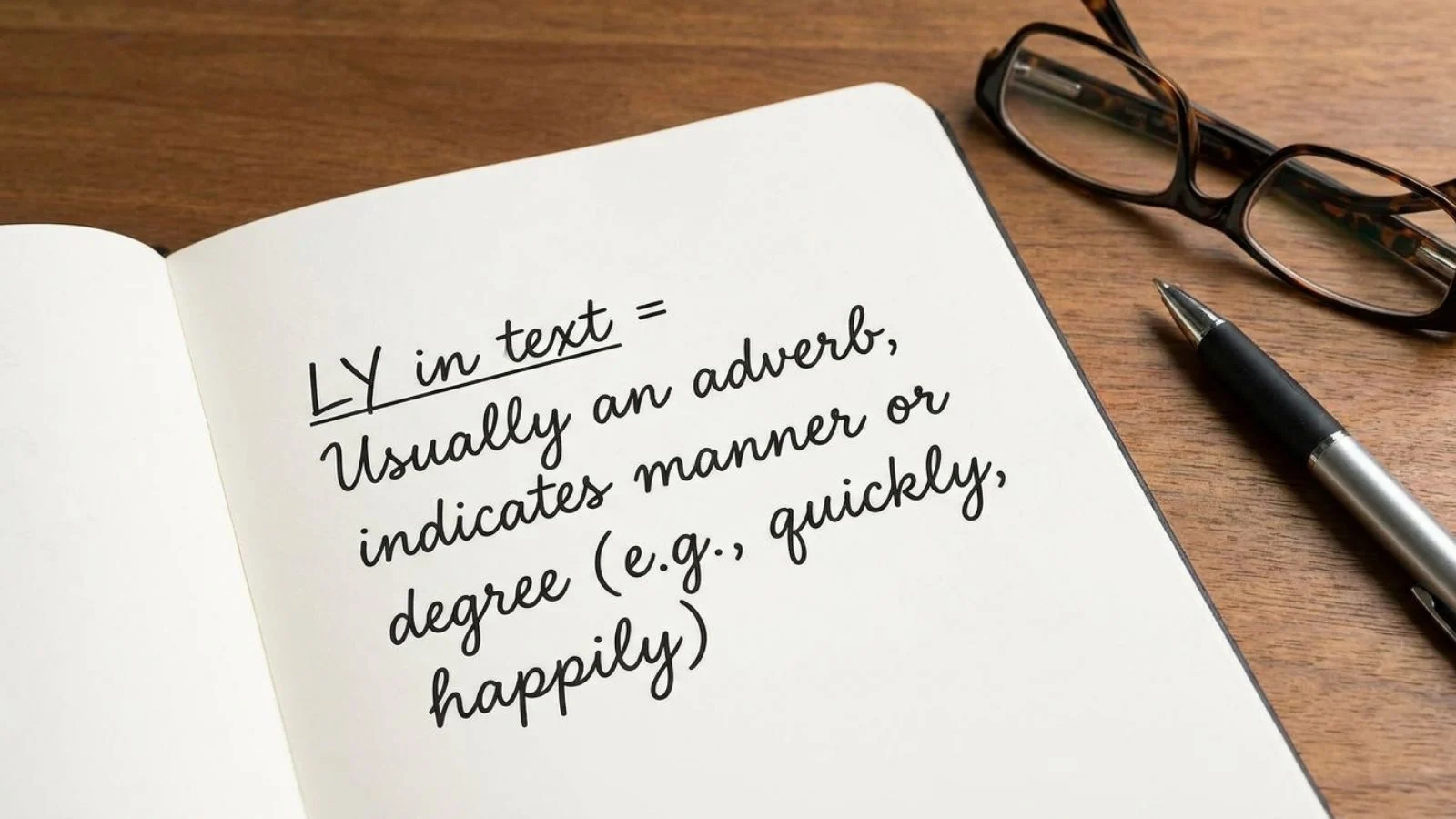
Mistake 4: Confusing LY with “Lately”
Some people think LY means “lately.”
Example:
“I’ve been tired ly.”
That is wrong.
Correct version:
“I’ve been tired lately.”
LY in 2026 – Modern Usage Trends
Texting changes every year.
In 2026, people use LY in:
- Snapchat streak replies
- Instagram quick reactions
- WhatsApp voice-text messages
- Short romantic replies
- Soft aesthetic chats
You may see:
- “lyyyy” (extra y’s for cuteness)
- “ly <3”
- “ly sm” (love you so much)
Modern teens use it quickly and casually.
LY in Different Digital Platforms
Used in DMs and story replies.
Example:
“Your pic is cute. LY.”
Used between couples and family.
Example:
“Reached home safe. LY.”
Snapchat
Often used in streak messages.
Example:
“Streak day 200! LY.”
Gaming Chats
Rare, but used among close gaming friends.
Example:
“Good game bro. LY.”
Emotional Levels of LY
Not all LY messages feel the same.
Here’s a simple emotional scale:
| Phrase | Emotional Strength |
|---|---|
| LY | Light affection |
| LYSM | Strong affection |
| ILY | Deep love |
| ILYSM | Very strong love |
Understanding this helps avoid confusion.
Cultural Differences in Using LY
In some cultures:
- People openly say love you
- Short forms are normal
In other cultures:
- Love is not expressed often
- LY may feel too bold
So always understand your social setting.
Is LY a Red Flag?
Some people ask this.
Usually, no.
But sometimes:
- If someone avoids saying “I love you” fully and only says LY, it may mean they are not fully ready emotionally.
- If someone says LY to everyone, it may feel less special.
Context matters.
Psychological Meaning of Shortening “Love You”
Why shorten love?
Psychologically:
- It feels less intense
- It feels safer
- It feels playful
- It reduces emotional pressure
Some people prefer LY because it feels softer than “I love you.”
LY in Voice Messages
Even in voice notes, people say:
“Okay, LY, bye.”
This shows how texting language enters spoken language.
Variations of LY
You might see:
- LYSM = Love You So Much
- LYM = Love You More
- LYT = Love You Too
- LY2 = Love You Too
Each version adds small meaning changes.
Frequently Asked Questions
1. What does LY mean in text from a girl?
Usually, it means Love You. It can be romantic or friendly depending on the relationship.
2. Is LY serious?
It can be serious, but it is usually softer than “I love you.”
3. What does LY mean from a guy?
It means he cares. It may be romantic or friendly based on context.
4. Is LY the same as ILY?
Not exactly. ILY feels stronger and more emotional.
5. Can LY mean something else?
Rarely. In most chats, it means Love You. Other meanings are uncommon.
6. Should I reply LY back?
If you feel comfortable and share the same emotion, yes. If unsure, respond warmly but honestly.
Quick Summary List
LY Means:
- Love You
Used In:
- Romantic chats
- Friend messages
- Family texts
Not Used In:
- Work emails
- Professional settings
Tone:
- Soft
- Casual
- Affectionate
Final Thoughts on LY Mean in Text
Now you fully understand ly mean in text.
It simply means Love You, but the feeling behind it depends on the relationship and situation. It is soft, casual, and commonly used in friendly or romantic chats. In 2026, it remains popular in texting, social media, and daily digital conversations. Always check context before using it. Language is about connection, not just words. If you found this guide helpful, explore more texting meanings to stay confident in modern communication and never feel confused by short forms again.